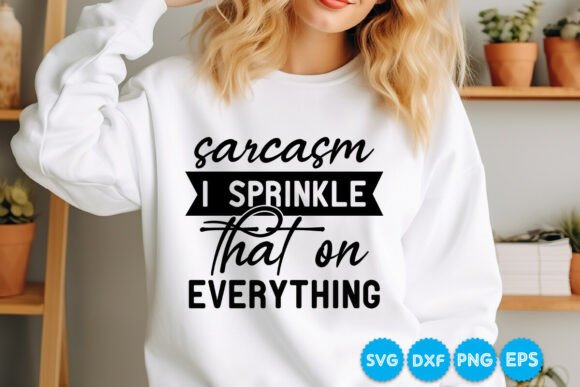
Sarcasm I Sprinkle That on Everything
First Impressions: A Bold, Witty Design with Personality
As a designer who regularly reviews embroidery files for real-world use, the first thing that strikes me about Sarcasm I Sprinkle That on Everything is its bold, playful tone. The design immediately conveys a sense of humor and confidence. It’s the kind of embroidered message that works well for someone who wants to make a statement—whether on a tote bag, a sweatshirt, or a personalized gift.
The layout is clean and centered, with a slightly stylized font that balances readability and flair. The lettering is neither too thin nor too dense, which suggests it should stitch out well on most machines without excessive thread breaks or distortion. The theme is clearly aimed at a modern, sarcastic audience—perfect for Etsy sellers or small craft businesses targeting a niche market.
Real-Life Use: From Tote Bags to Sweatshirts and Beyond
I recently used this design while preparing a custom embroidered tote bag for a client who runs a boutique. The goal was to create a line of “funny but functional” tote bags that could be sold as gifts or everyday carry items. The file included an SVG and EPS, which made it easy to resize and adjust for the tote’s fabric type and hoop size.
After stitching, the result was clean and crisp. The satin-stitched outlines held up well, and the fill stitches were consistent without any noticeable puckering. The text remained legible even at a slightly reduced size, which is a big plus when working with smaller hoop limitations.
It also performed well on a sweatshirt mockup. The design’s moderate stitch density made it suitable for heavier fabrics without weighing them down. It would work equally well on a baby onesie—assuming the font size is adjusted to avoid tiny lettering issues—or on a holiday gift like a personalized kitchen towel.
Where to Use It Carefully: Fabric and Fit Matter
While the design is versatile, there are a few situations where Sarcasm I Sprinkle That on Everything needs careful handling. For example, when applying it to stretchy fabrics like cotton jersey or lightweight knits, you’ll want to use a quality stabilizer to prevent distortion. The same goes for curved surfaces like baseball caps, where stitch density and tension can affect the final look.
On dark fabrics, the white or light-colored thread options may not provide enough contrast unless you test a small area first. Also, if you’re planning to embroider it on a layered garment like a quilted pillow cover, make sure the hoop can accommodate the thickness without compromising stitch quality.
Another point to watch: the corners of the design, while not overly intricate, still require a bit of precision. If you’re working with a small hoop or trying to fit the design into a tight space, you may need to simplify or resize it slightly to maintain clarity.
Visual Appeal and Product Value: More Than Just a Funny Phrase
From a product design standpoint, this embroidery file adds real value. It’s not just a decorative element—it tells a story. That’s important for Etsy sellers and small business owners looking to create memorable, shareable products. Whether it’s stitched onto a boutique sweatshirt or a personalized tote, the design enhances the product’s perceived value by giving it a unique personality.
Stitching clarity is another strong point. Even after multiple test runs, the satin stitches held their shape without fraying or pulling. The overall balance between detail and simplicity makes it easy to embroider without sacrificing visual impact. This is key for crafters who may not have high-end machines but still want professional-looking results.
From a branding perspective, the design could easily be incorporated into a larger product line. For example, a small shop specializing in “funny gifts” could use this as a recurring motif across different items—helping build brand recognition and customer trust.
Practical Notes for Embroidery Designers and Sellers
Before diving into a full production run, here are a few practical tips based on my experience using Sarcasm I Sprinkle That on Everything:
- Test on scrap fabric first—especially if you’re using a new stabilizer or unfamiliar thread colors.
- Check stitch density to ensure it’s appropriate for your fabric type. Too dense and it might pucker; too loose and it could look sparse.
- Verify hoop size compatibility, especially if you’re working with a smaller hoop or curved surfaces like caps.
- Inspect small details—the corners and lettering should stitch cleanly without distortion.
- Try black and white mockups to see how the design looks in monochrome, which can help with minimalist product lines.
- Compare light and dark fabric backgrounds to find the best thread contrast for your project.
- Use the right stabilizer—especially important for stretchy or textured fabrics.
- Confirm licensing before selling finished items or digital products, especially if you’re reselling embroidered patches or printable mockups.
Final Thoughts: A Witty, Workhorse Design for Craft Entrepreneurs
Overall, Sarcasm I Sprinkle That on Everything is a solid embroidery file that delivers both visual appeal and practical usability. It’s a great example of how a well-designed phrase can elevate a simple product into something customers actually want to buy and display.
Whether you’re an Etsy seller building a line of humorous gifts, a small shop owner creating boutique merchandise, or a hobbyist looking for a fun project, this design checks a lot of boxes. It’s versatile, easy to stitch, and has the kind of personality that makes handmade items stand out.
Just remember to test it on your specific fabric and hoop setup before committing to a full run. And if you’re using it for commercial embroidery or digital product sales, make sure the licensing allows for resale or redistribution.